
The Narrator’s Mental Fate
The RavenThis flow follows the narrator’s psychological movement from nervous vigilance into obsessive and seemingly permanent despair.
increasing Bearing strength in each event
 decreasing
Bearing strength in each eventdecreasingNervous Wakefulness
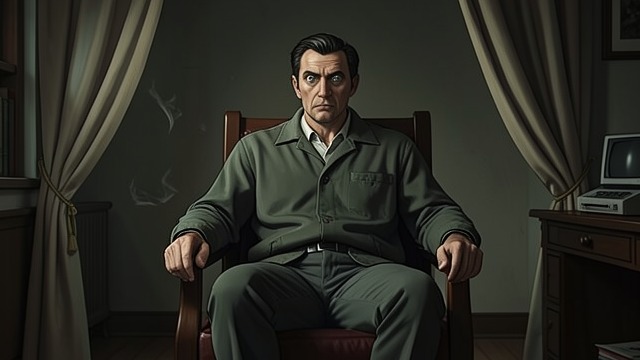
Nervous Wakefulness
Interrupted Sleep
The narrator moves from near sleep into alertness.
His body registers danger before his mind can explain it.
Sensitivity Heightened
Fatigue and grief make every sound unusually significant.
The supernatural crisis begins through altered attention.
Self Reassurance
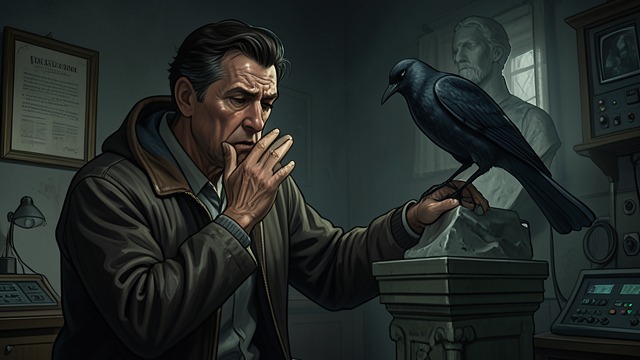
Self Reassurance
Controlled Speech
The narrator repeatedly tells himself that nothing extraordinary is happening.
Reason functions as a verbal shield.
Shield Fractured
Because the reassurance must be repeated, it reveals its own weakness.
Fear grows through the effort to deny it.
Obsessive Guessing
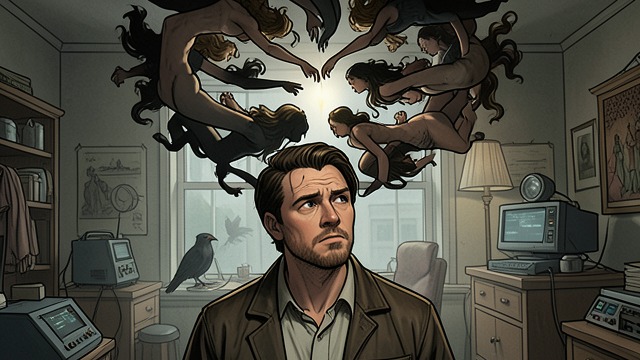
Obsessive Guessing
Circular Thought
The narrator links one fancy to another while staring at The Raven.
His attention becomes fixed and compulsive.
Emotional Amplification
Every imagined explanation leads back to Lenore and loss.
Thought no longer opens possibilities; it narrows them.
Spiritual Panic
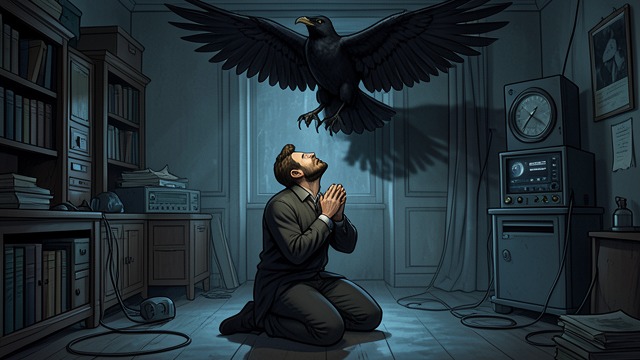
Spiritual Panic
Escalated Need
The narrator seeks forgetfulness, healing, and religious assurance.
His questions reveal that ordinary coping has failed.
Denial Internalized
Each answer becomes more personally devastating.
The bird’s refrain begins to sound like the verdict of the universe.
Permanent Despair
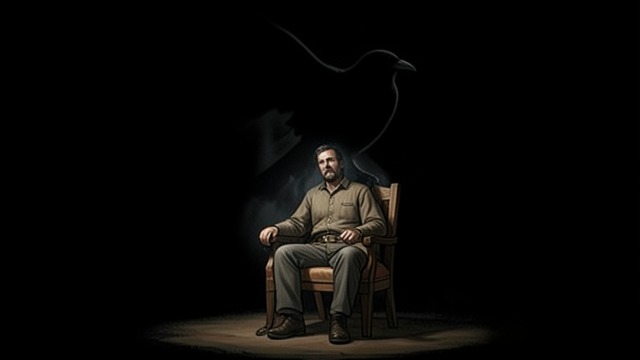
Permanent Despair
Self Beneath Shadow
The narrator’s soul is imagined as trapped under The Raven’s shadow.
The mental condition is presented as spatial and nearly eternal.
No Recovery
The poem offers no return to study, sleep, or ordinary reason.
Despair becomes the narrator’s final mode of existence.
during the first sound
during the repeated door explanations
during the long examination of The Raven
during the questions about Nepenthe and Gilead
at the final image
